A love letter to the Fujifilm X100 series
I bought an X100V before TikTok found it, upgraded to the X100VI, sold it over a fake shutter sound, and just bought another one. Four years of photos and why.
By Abu Ashraf Masnun ·
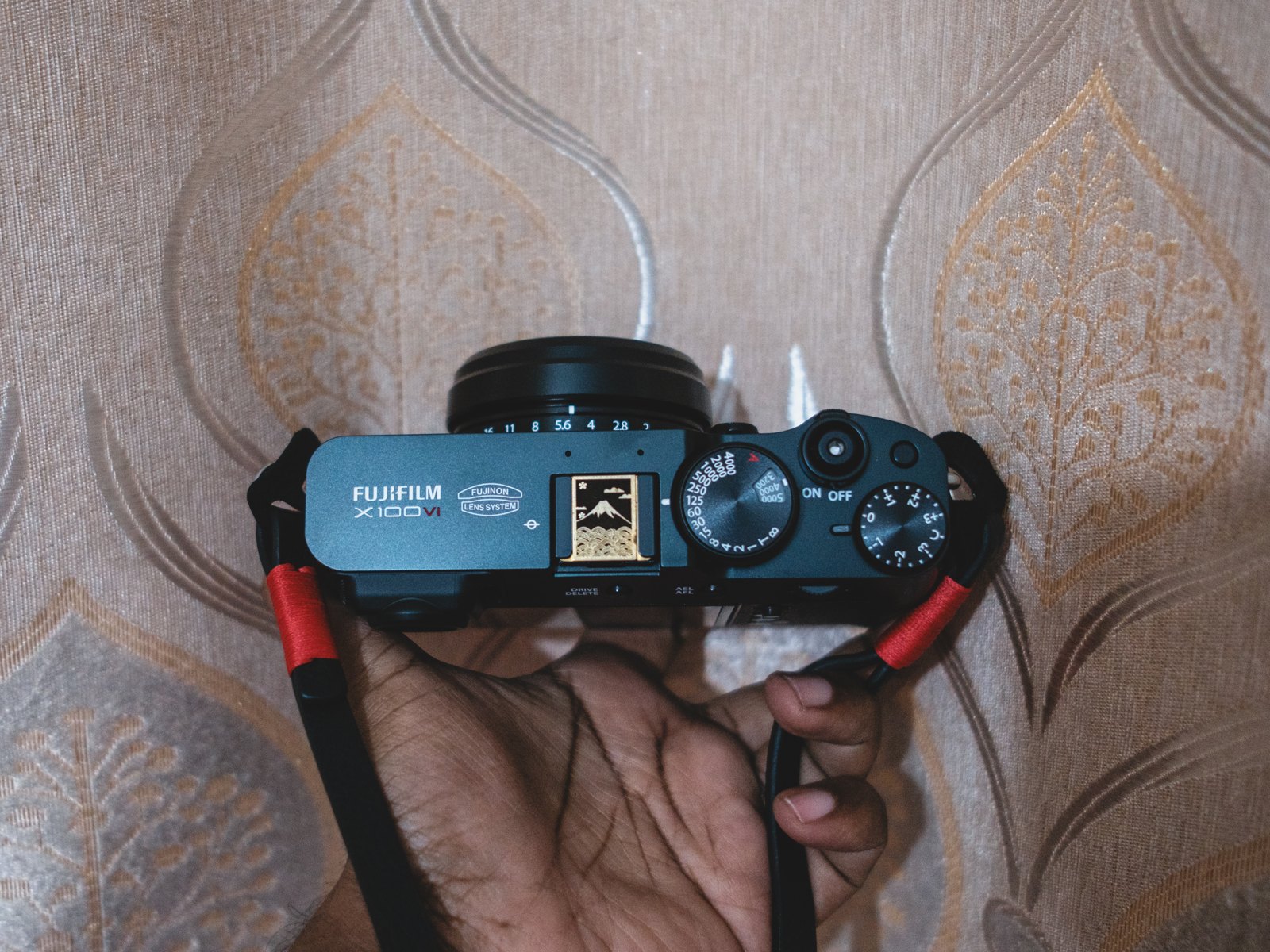
I have bought an X100VI twice. A silver one first, then a black one, with most of a year in between. In that year I was sure an X-E5 and a small 23mm lens would do the same job. They did not, and this post is me admitting why. Every photo here is mine, shot on an X100V or an X100VI.
I bought one before TikTok found it
I bought my X100V in the autumn of 2022, and I paid a normal price for it. A few weeks later nobody else could. Kylie Katich posted a TikTok in September 2022 telling her followers she had found a camera that would change their life. The #fujifilmx100v hashtag went past 3.2 million views, and the used market went mad.
PetaPixel found used X100V bodies listed at around $3,000 on Amazon. The camera had launched at $1,399. Even the original X100 from 2011 went from a few hundred dollars to roughly $1,000, purely because it looked like the camera in the video. Then in November 2022 Fujifilm Japan put out a supply notice. Orders had gone far past what the company had planned for, so it would "temporarily" stop taking new ones. That pause lasted a lot longer than the word "temporary" suggests. I bought a small camera with a fixed lens because that is what I wanted. A year later the same camera was a status symbol with a waiting list.



What I loved about it
Written down, these look like small things. They are not. Each one is a decision you do not have to make while you are out walking around with a bag on your shoulder.
- A four-stop ND filter, built in, on a switch. An ND filter is dark glass that cuts the light reaching the sensor, and four stops means it cuts it to a sixteenth. So you can still shoot at f/2 on a bright afternoon, with no filter to carry and screw on.
- The leaf shutter. It sits inside the lens rather than in front of the sensor, so it makes almost no noise and almost no vibration, and it works with a flash at fast shutter speeds that an ordinary shutter cannot manage.
- The built-in flash. It is not a good flash. It is a usable one, and a usable flash you have with you beats a good one sitting at home.
- Fujifilm colour. I do edit in Lightroom, but I start from the Fujifilm profiles rather than Adobe Color, and that starting point makes good colour easy even for someone like me who is not much of an editor. Most of the photos on this page needed almost nothing after that.
- A 23mm f/2 lens built into the camera rather than bolted on, so the whole thing stays flat enough to sit under a jacket.
- Weather resistance, once you screw a protective filter onto the front. That is a catch, but a cheap one.
The lens never comes off. So Fujifilm could build it into the camera instead of hanging it off the front. That saves a lot of room. An f/2 lens, an ND filter, a flash and a leaf shutter all fit into a body this thin. No camera with changeable lenses gets close at that thickness. And if 35mm is the view you shoot anyway, a fixed lens costs you nothing.



Learning to see in 35mm
The 35mm view felt wide to me at first. Whatever I was pointing at came out small, with a lot of empty room around it. For a few weeks I quietly wondered if I had bought the wrong camera. What fixed it was not a technique. It was time. You stop standing back and framing from arm's length. You start walking closer. After a while 35mm becomes the distance your feet already know.
The background blur took the same adjustment. f/2 on an APS-C sensor does not melt the background away the way f/1.4 on a full frame camera does. You can still see what is behind your subject. You can accept that, or you can spend two years being annoyed by it. I accepted it. Then I started to like it. A background you can still read is often the better photo of a place.
Autofocus was the other thing people warned me about. It was fine. It was not fast, even by 2023 standards. It sometimes hunted when there was not much contrast to lock onto. But it caught what I pointed it at. I photographed my eldest daughter with that camera through a year of ordinary days. Focus was never the reason a photo failed.
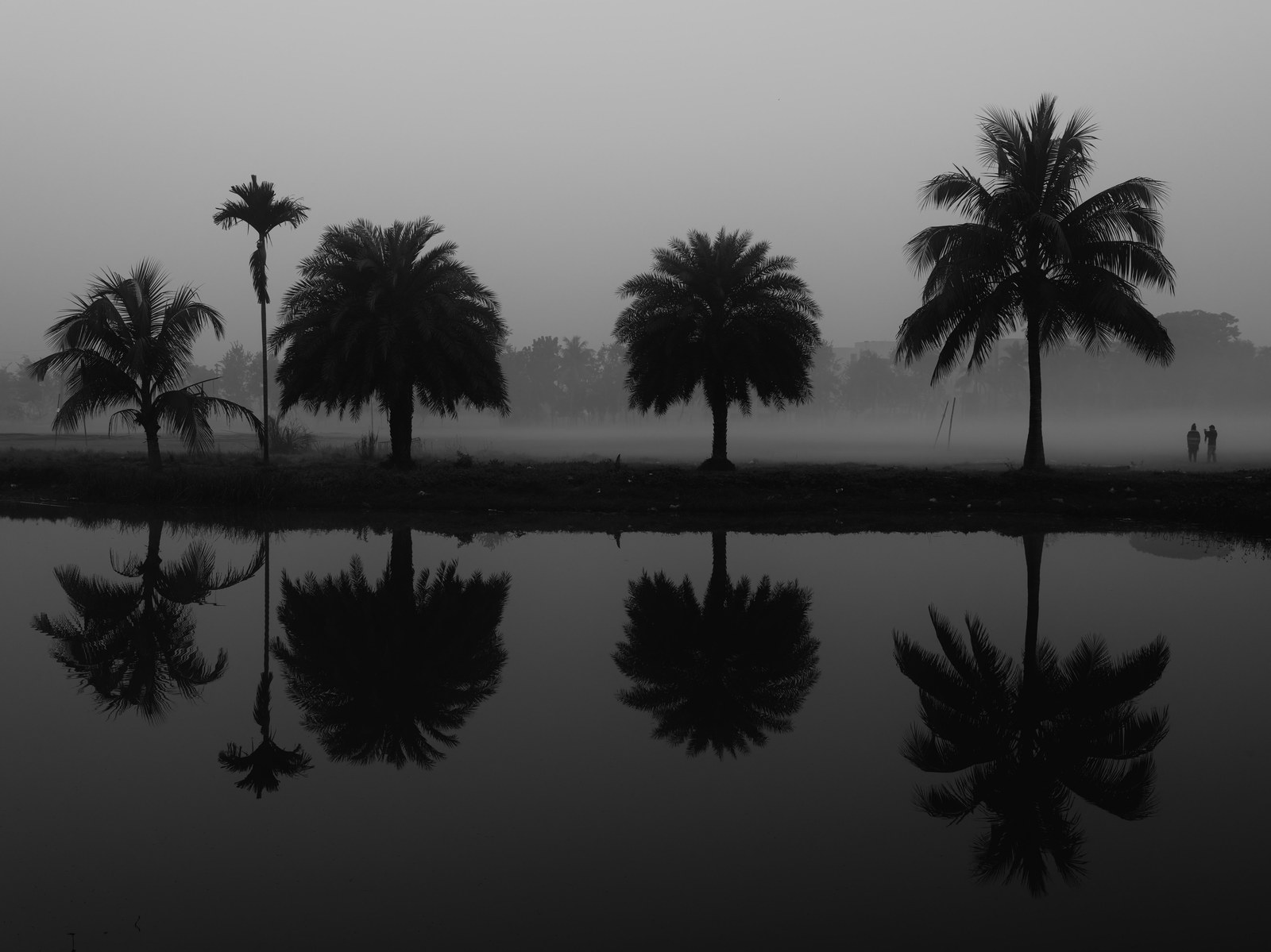
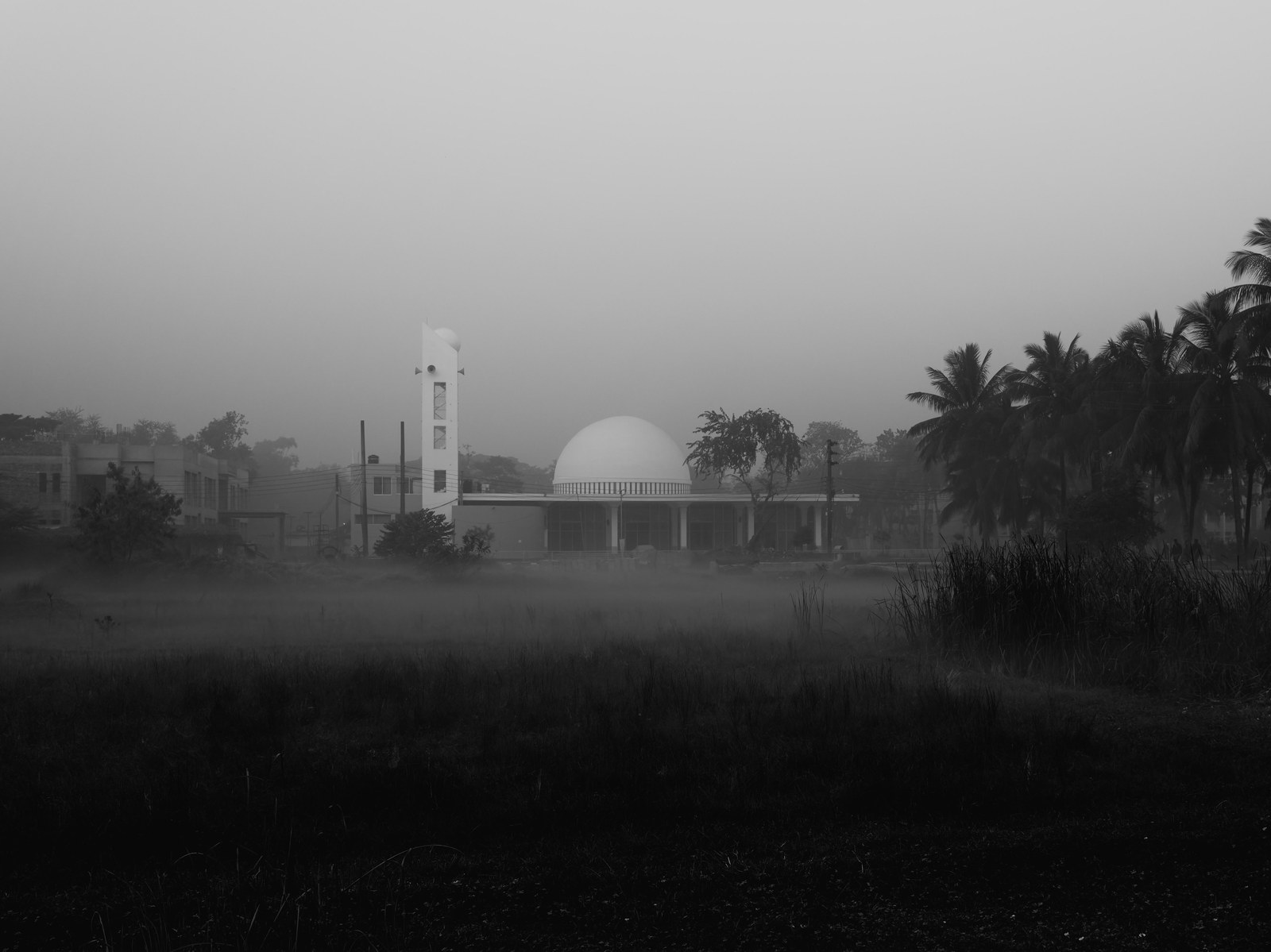

Carrying the X100VI
Fujifilm announced the X100VI in February 2024. I sold the X100V straight away and upgraded. Looking back, it was the easiest camera decision I have ever made. Two things did it. The sensor went from 26 to 40 megapixels. And the camera got IBIS. That is stabilisation built into the body, and it cancels out the small shakes in your hands. More detail, steadier shots, same small camera. That was the whole pitch for me. I did not need a third reason.
It also weighs 521g against the X100V's 478g. Forty-three grams sounds like nothing written down. You can feel it in your hand. For a few weeks the camera felt like it had put a coat on. Then I shot a run of handheld frames at a quarter of a second. I would never have tried that before. I stopped noticing the weight the same afternoon. Stabilisation buys you photos. Forty-three grams costs you none.
I used mine constantly. On the fifth of August 2024 it was the camera in my hand. That was the final day of the July revolution, the day the fascist government was ousted, and I spent it on the streets of Khulna photographing the celebrations. A silent shutter and a 35mm view turned out to be exactly the right tools for a day nobody had planned for.
These are the ones I published from that day, 19 frames, every one at f/4 with the leaf shutter at 1/250. The collection page has them at full size.



















Then I sold it, over a fake shutter sound
What pushed me to sell the X100VI was the shutter sound. Every other Fujifilm I have owned has a mechanical shutter. You hear it and you feel it. For years that little click was my reward every time I took a photo. The leaf shutter gives you almost nothing to hear. Fujifilm fills the gap by playing a fake click through the camera's speaker. After years of the real thing, the fake one got on my nerves every single time.
I did not sit down and think it through. I started to resent the noise, talked myself into calling the whole camera a luxury I could do without, and let it go.
My replacement plan looked sensible on paper. An X-E5 with a small 23mm lens gives you the same view, the same sensor, the film simulation dial, and the option to change lenses when you want to. I wrote a whole article about that setup and I meant every word of it at the time.
The focal length kept pulling me back
In the months after, I bought and sold a lot of cameras and lenses. That is what people do when they are hunting for something they used to own. And every time I looked at what I had actually shot, the answer came back the same. Somewhere between 28mm and 40mm, with 35mm winning by a mile. That is not a preference any more. That is just how I see.
Once you know that about yourself, the numbers get uncomfortable. The XF 23mm f/2.8 pancake is a lovely 90g lens, and it is a full stop slower than the X100's f/2, so it lets in half as much light. The XF 23mm f/2 fixes that, and costs you 180g and a lot more depth in the bag. Neither one gives you a four-stop ND filter on a switch, and neither one gives you a flash. An X-E5 with the pancake comes to 535g. An X100VI is 521g with all of it built in.
The X-E5 is the better camera if you want two or three focal lengths. I am not that person. The folder of photos I actually kept proved it to me again and again.



So I bought another one, in black
There is a black X100VI on my desk. The first thing I did was go into the sound settings and turn the fake shutter noise off. It took about eleven seconds and solved the problem that cost me a camera. What is left is a shutter you genuinely cannot hear, and it turns out that is a feature. People do not stop talking when you raise it. The photo happens before anyone works out that a photo is happening.
The colour is the same idea. I loved the silver one and it is the prettier camera, and it also announces itself from across a room. Black does not. I bought this one so people would notice it less while I use it, which is close to the opposite of what this camera has come to mean to a lot of people who bought one in the last three years.
If you are thinking about one, my honest advice has not changed. Work out what focal length you actually shoot first. Look at your own photos, not at a video. If the answer is 35mm, and it keeps being 35mm, then the X100VI is not an expensive toy. It is the right tool, and the ND filter and the flash and the leaf shutter are what keep it right. If the answer is anything else, buy an X-E5 and a lens and be happier for less money.
I have let an X100 go twice now, and I have bought one three times. I am going to stop pretending that is a coincidence. So this is my unwritten love letter to the X100 line - "Dear X100VI, I am sorry I let you go once, I will never again let you go!"
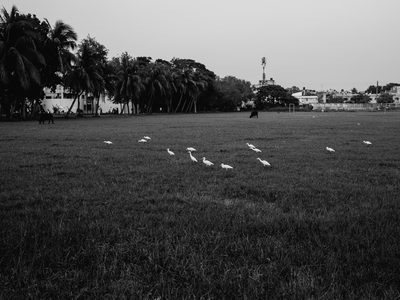
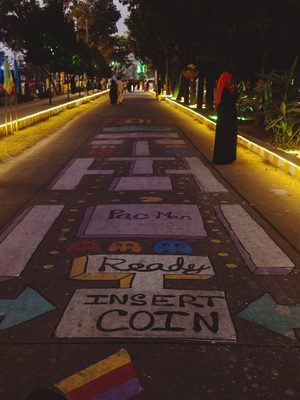
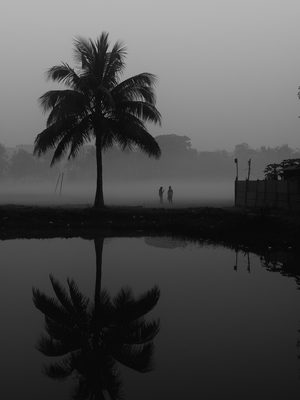
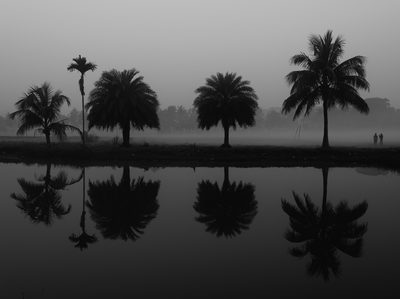
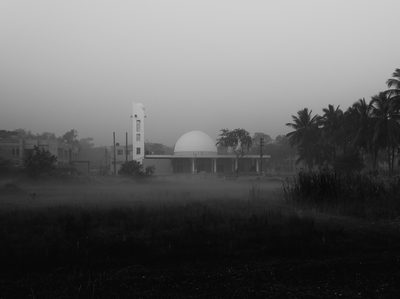
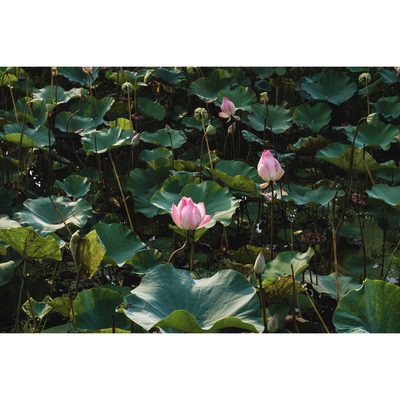
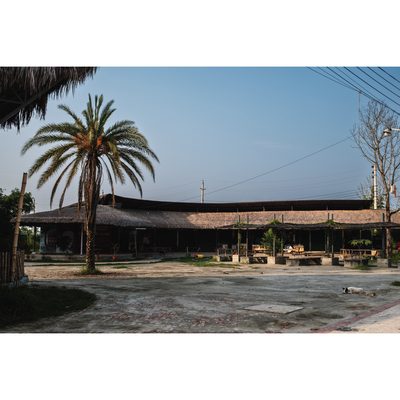
Four years of my own photos



























Where to buy one
These are Amazon links and I earn a small commission if you buy through one, at no extra cost to you. The X100VI is the one camera on this list where I would tell you to check the used market first, because stock has been strange since 2022 and it has never fully settled.
- Fujifilm X100VIThe camera this whole post is about. Black if you want to be ignored while you use it.
- Fujifilm X-E5The honest alternative if you shoot more than one focal length. Same sensor, changeable lenses.
- Fujifilm XF 23mm F2.8 R WR90g pancake. The closest an X-E5 gets to X100 pocketability, at a stop slower.
- Fujifilm XF 23mm f/2 R WRMatches the X100 aperture at 180g. The one to get if you shoot indoors and at night.
- 49mm protective filterCheap, and it is what turns the X100V or X100VI's weather resistance on. Buy it with the camera.