X-A · 2013 · discontinued
Fujifilm X-A1 review
Launch price 599 USD · 16.3 MP Bayer sensor · 1080p 30p video
Also written XA1 or X A1.
First X-A with a conventional 16MP Bayer sensor; no viewfinder.
Verdict
First X-A body with a conventional 16.3 MP Bayer sensor, 1080p/30 video, 49 AF points, tilting non-touch screen. No viewfinder, no IBIS, no weather sealing, 5.6 fps. Discontinued, entry-level by any measure.
Beginners on a very tight budget who want a Fuji color preset in an interchangeable-lens body.
In detail
Here is a small camera with a slightly odd history. The X-A1 is the first X-A body to step away from X-Trans and use a regular Bayer sensor, and that decision tells you a lot about who it was for.
You get a 16.3 MP APS-C Bayer sensor, EXR Processor II, ISO 200 to 6400, 49 contrast-detect AF points, 5.6 fps burst. None of that is exciting. The color science is still Fuji, the film simulations are still here, and the JPEG output is the reason most people bought it.
Video is 1080p at 30 fps, no log, H.264. It is a stills-first body, you can grab clips but don't expect it to replace a real video camera.
In the hand it feels like a Fuji, the usual tight dials, a tilting LCD that is great for waist-level work. No viewfinder, that is the giveaway that this is the entry-level line. No IBIS, no weather sealing. At 330g it is light, almost too light, and the kit lens balances fine.
Battery is 350 shots CIPA, single UHS-I slot, NP-W126. Bottom line: the used market is where this camera makes the most sense now that it is discontinued.
Pros and cons
What we like
- Cheapest X-mount body of its era
- 16MP Bayer sensor with tilting LCD
- Lightweight at 330g
- Film simulation presets like PROVIA, Velvia, ASTIA
The headline win is the price. Cheapest X-mount body of its era, and you can still find them for very little on the used market. Film simulation count is 5, the older lineup, but PROVIA, Velvia, ASTIA, PRO Neg. Std, and Monochrome cover what beginners actually use. At 330g the body is light enough that you stop noticing it in your bag.
Trade-offs
- Bayer sensor, not X-Trans
- No viewfinder, no IBIS, 1080p/30 video only
The honest trade-off is the sensor. Bayer, not X-Trans, which is unusual for Fuji and means the files don't have the same character as the more expensive bodies. No in-body stabilization, so low light means a stabilized zoom or a faster shutter. The XC 16-50mm kit zoom it shipped with has OIS; the fast primes do not, so shutter speed is your only lever once the light drops. 5.6 fps burst is conservative. No viewfinder, the 3-inch tilting LCD is the only way to compose. Single card slot, fine until it isn't.
Who is this for
Beginners on a very tight budget who want a Fuji color preset in an interchangeable-lens body. Light enough to make a great second body or a daily-carry option. It is a particularly strong pick for first-time Fuji buyers who just want to learn the system without spending much, and the JPEG output is honestly the selling point.
X-A1 release date and lifecycle
The Fujifilm X-A1 was announced in September 2013. It was replaced by the X-A2.
| Announced | |
|---|---|
| Launch price | 599 USD |
| Status | Discontinued |
| Replaced by | X-A2 |
Announcement month is from Fujifilm’s launch announcement; the on-sale month is not recorded for this body. Launch price is MSRP at release, not a used-market price.
Full specifications
| Release year | 2013 |
|---|---|
| Launch price | 599 USD |
| Status | Discontinued |
| Megapixels | 16.3 MP |
| Sensor generation | Bayer |
| Processor | EXR Processor II |
| ISO range | 200–6400 |
| AF points | 49 |
| Subject detection | none |
| Burst (fps) | 5.6 |
| Max video | 1080p 30p |
| Codec | H.264 |
| Log profile | No |
| Stabilization | None |
| Viewfinder | None |
| LCD | 3" tilt |
| Weather sealed | No |
| Weight | 330g |
| Card slots | 1 |
| Card types | SD UHS-I |
| Battery | NP-W126 |
| Battery life (CIPA) | 350 shots |
| Film sims | 5 |
Highlighted rows are class-leading within the current Fujifilm APS-C lineup.
Film simulations (5)
- PROVIA
- Velvia
- ASTIA
- PRO Neg. Std
- Monochrome
Compared with


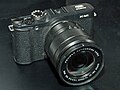
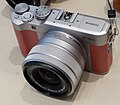
Fujifilm X-A1 vs siblings
How the X-A1 stacks up against the closest siblings in the current Fujifilm lineup.
Fujifilm X-A1 vs X-A7
The Fujifilm X-A1 and Fujifilm X-A7 are both Fujifilm X-A bodies. The X-A7 is the newer of the two, arriving in 2019. At launch the X-A1 was 599 USD and the X-A7 699 USD, making the X-A1 the more affordable of the two.
Where to buy
The link below runs an Amazon search for this camera rather than pointing at one listing, because stock and sellers move around. As an Amazon Associate we earn from qualifying purchases — at no extra cost to you.

See it in the wild
Owner impressions and real-world photos from the Fuji community.

