X-A · 2015 · discontinued
Fujifilm X-A2 review
Launch price 549 USD · 16.3 MP Bayer sensor · 1080p 30p video
Also written XA2 or X A2.

Bayer-sensor entry model adding a flip-up selfie screen; no viewfinder.
Verdict
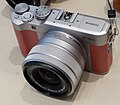
The Fujifilm X-A2 was a Bayer-sensor mirrorless entry model with a flip-up selfie screen, 16.3 MP sensor, and 1080p/30 video. No viewfinder, no IBIS, 49 AF points, 5.6 fps, discontinued, 549 USD used.
This is for the budget vlogger and selfie shooter who wants the cheapest Fuji with a flip screen.
In detail
I have been thinking about writing this one up for a while. The Fujifilm X-A2 came out in 2015 at 549 USD, no longer in production, Fuji's cheapest path into the X-mount at the time. Sits in the X-A line, Fuji's entry-level line, and the big trick was a flip-up screen for selfies.
At 16.3 MP on a conventional Bayer sensor, native ISO 200 to 6400, modest by modern standards. Subject detection is the older contrast-based system. Burst at 5.6 fps is conservative.
1080p is the cap, so this is a stills-first body. You can grab clips, but do not expect it to replace a dedicated video camera.
Lighter and more plasticky than the flagship bodies, no weather sealing, no in-body stabilization. At 350g it is light enough to live in a small sling bag, no viewfinder at all. Bottom line: the used market is where this camera makes the most sense now that it is discontinued.
Pros and cons
What we like
- Flip-up selfie screen
- 410-shot CIPA battery life
- Cheapest X-mount body with a flip screen
- Classic Chrome film simulation
The headline win is the flip-up selfie screen, which made this a real budget vlogging option when it launched. The Fuji color science is hard to beat out of camera, and 5 film simulations including Classic Chrome give you the look people love Fuji for. 410 shots per charge is generous for a body this small, and at 350g it is the kind of camera you can carry all day.
Trade-offs
- Bayer sensor, not X-Trans
- No viewfinder, no IBIS, 1080p/30 video
The honest trade-off is the Bayer sensor, not X-Trans. No in-body stabilization means relying on stabilized lenses for low light. Burst rate is conservative, fine for portraits, street, and landscape but rules out serious sports work. Single card slot is the kind of spec that does not matter until the day it does. And no viewfinder at all, a real change of pace from the rest of the lineup.
Who is this for
Budget vloggers and selfie shooters who want the cheapest Fuji with a flip screen. Light enough that it makes a great second body or a daily-carry option. A particularly strong pick on a budget, especially for first-time Fuji buyers who want a selfie-friendly body.
X-A2 release date and lifecycle
The Fujifilm X-A2 was announced in January 2015. It was replaced by the X-A3.
Announcement month is from Fujifilm’s launch announcement; the on-sale month is not recorded for this body. Launch price is MSRP at release, not a used-market price.
Full specifications
| Release year | 2015 |
|---|---|
| Launch price | 549 USD |
| Status | Discontinued |
| Megapixels | 16.3 MP |
| Sensor generation | Bayer |
| Processor | EXR Processor II |
| ISO range | 200–6400 |
| AF points | 49 |
| Subject detection | none |
| Burst (fps) | 5.6 |
| Max video | 1080p 30p |
| Codec | H.264 |
| Log profile | No |
| Stabilization | None |
| Viewfinder | None |
| LCD | 3" flip |
| Weather sealed | No |
| Weight | 350g |
| Card slots | 1 |
| Card types | SD UHS-I |
| Battery | NP-W126 |
| Battery life (CIPA) | 410 shots |
| Film sims | 5 |
Highlighted rows are class-leading within the current Fujifilm APS-C lineup.
Film simulations (5)
- PROVIA
- Velvia
- ASTIA
- Classic Chrome
- Monochrome
Compared with


Where to buy
The link below runs an Amazon search for this camera rather than pointing at one listing, because stock and sellers move around. As an Amazon Associate we earn from qualifying purchases — at no extra cost to you.

See it in the wild
Owner impressions and real-world photos from the Fuji community.

